
Call us now :08045477453
 Send Inquiry
 Send Inquiry
Maxpas Nc 200
Maxpas Nc 200 Specification
- Storage
- Store in a cool, dry place away from direct sunlight
- Poisonous
- NO
- Ingredients
- Blend of nonionic and anionic surfactants
- HS Code
- 3402
- Smell
- Mild characteristic odour
- Shelf Life
- 12 months
- Shape
- Liquid form
- Solubility
- Easily soluble in water
- Grade
- Industrial Grade
- Ph Level
- 7.0-8.0
- Density
- 0.02 Gram per cubic centimeter(g/cm3)
- Usage
- Used as a dyeing auxiliary in synthetic and blended fiber dyeing
- Appearance
- Light yellow transparent liquid
- Application
- Textile industry for dyeing, dispersing, and leveling applications
- Properties
- Excellent dyeing and dispersing properties; enhances color yield and fastness in textile processes
- Product Type
- Textile Auxiliary Agent
- Physical Form
- Liquid
- Purity
- 99%
- Compatibility
- Compatible with all types of dyes and auxiliary chemicals
- Packing Size
- 50 kg, 200 kg
- Packing Type
- Plastic carboys / drums
- Freezing Point
- Below 0°C
- Stability
- Stable under normal conditions
- Biodegradability
- Biodegradable
- Viscosity
- Medium viscosity
- Foaming Tendency
- Low foaming
- Ionic Nature
- Blend of nonionic and anionic
About Maxpas Nc 200
Experience the exquisite performance of Maxpas Nc 200-your last chance to elevate textile dyeing with this stellar, lavishly engineered auxiliary. Specially crafted with a highlighted blend of nonionic and anionic surfactants, Maxpas Nc 200 showcases exceptional compatibility with all dyes and chemicals. It offers excellent dyeing and dispersing properties, enhancing color yield and fastness for superior textile processes. With low foaming, medium viscosity, and a biodegradable formula, this product stands out as an industrial-grade, safe, and reliable solution. Now available in 50 kg and 200 kg highlighted packaging-don't miss this offer!
Highlighted Features and Diverse Plant Applications
Maxpas Nc 200 shines with its low foaming tendency and biodegradability, making it a versatile choice for both staple and advanced textile processes. Ideal for synthetic and blended fiber dyeing, its balanced pH, mild odor, and exquisite liquid form suit high-efficiency plant operations. Other applications extend to various textile auxiliaries, where dispersing and leveling are vital. This product ensures consistent performance, ultimately supporting innovative plant application requirements with stellar results.
Sample Availability, Supply & Export Market Reach
Samples of Maxpas Nc 200 are available for trial before bulk orders, offering assurance of quality and performance. Shipped from major FOB ports in India, each packaging is meticulously prepared in plastic carboys or drums of 50 kg or 200 kg. Supply is tailored for both domestic and international clients, with main export markets spanning Asia and global textile hubs. Discover how reliable supply and thoughtful packaging enhance your textile operations worldwide.
Highlighted Features and Diverse Plant Applications
Maxpas Nc 200 shines with its low foaming tendency and biodegradability, making it a versatile choice for both staple and advanced textile processes. Ideal for synthetic and blended fiber dyeing, its balanced pH, mild odor, and exquisite liquid form suit high-efficiency plant operations. Other applications extend to various textile auxiliaries, where dispersing and leveling are vital. This product ensures consistent performance, ultimately supporting innovative plant application requirements with stellar results.
Sample Availability, Supply & Export Market Reach
Samples of Maxpas Nc 200 are available for trial before bulk orders, offering assurance of quality and performance. Shipped from major FOB ports in India, each packaging is meticulously prepared in plastic carboys or drums of 50 kg or 200 kg. Supply is tailored for both domestic and international clients, with main export markets spanning Asia and global textile hubs. Discover how reliable supply and thoughtful packaging enhance your textile operations worldwide.
FAQ's of Maxpas Nc 200:
Q: How should Maxpas Nc 200 be stored for optimal stability?
A: Maxpas Nc 200 should be stored in a cool, dry place away from direct sunlight to maintain its stability and effectiveness throughout its 12-month shelf life.Q: What processes in the textile industry benefit most from Maxpas Nc 200?
A: Maxpas Nc 200 excels in dyeing, dispersing, and leveling applications within the textile industry, particularly with synthetic and blended fibers, enhancing both color yield and fastness.Q: When is it recommended to use Maxpas Nc 200 during the dyeing process?
A: Maxpas Nc 200 is ideally used during the dyeing process as a dyeing auxiliary, added to the dye bath to ensure even dispersion, improved dye uptake, and consistent coloration results.Q: What makes Maxpas Nc 200 compatible with all types of dyes and auxiliary chemicals?
A: Its unique blend of nonionic and anionic surfactants ensures stable performance and broad compatibility across a diverse range of dyes and auxiliary chemicals.Q: Where can Maxpas Nc 200 be exported and supplied?
A: Maxpas Nc 200 is mainly exported from India to key textile markets worldwide, especially across Asia, supported by robust supply chains and flexible packaging options.Q: What are the main benefits of using Maxpas Nc 200 in textile applications?
A: The main benefits include excellent dyeing and dispersing properties, environmental safety due to low toxicity and biodegradability, and enhanced color fastness for superior textile output.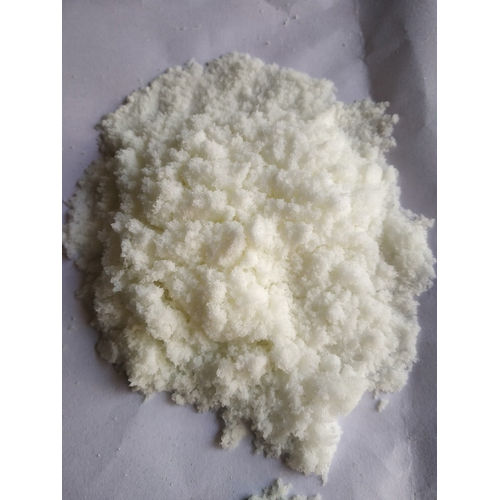
Tell us about your requirement

Price:
Quantity
Select Unit
- 50
- 100
- 200
- 250
- 500
- 1000+
Additional detail
Mobile number
Email

More Products in Aluminium Anodising Category
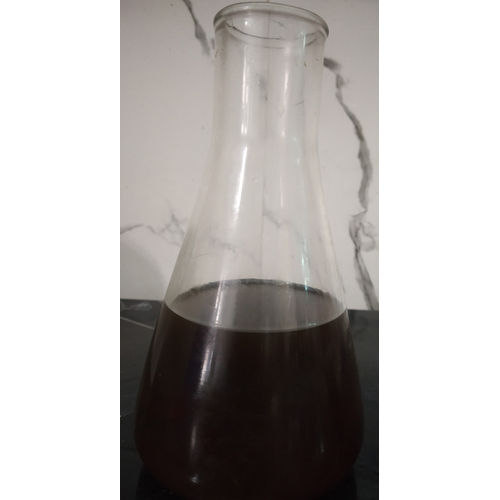
Aluzincate 50B
Solubility : Insoluble in water
Smell : Other, Odorless
Poisonous : NO
Physical Form : Powder
Appearance : Greyish White Powder
Application : Other , Galvanizing, coating for steel, electrical industries, construction
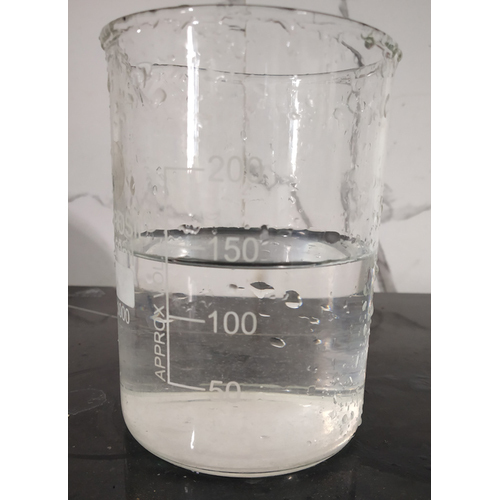
Anoseal Hs 90
Solubility : Partially soluble in water
Smell : Other, Odorless
Poisonous : Other, Nonpoisonous
Physical Form : Powder
Appearance : White powder
Application : Other , Sealing anodized aluminium
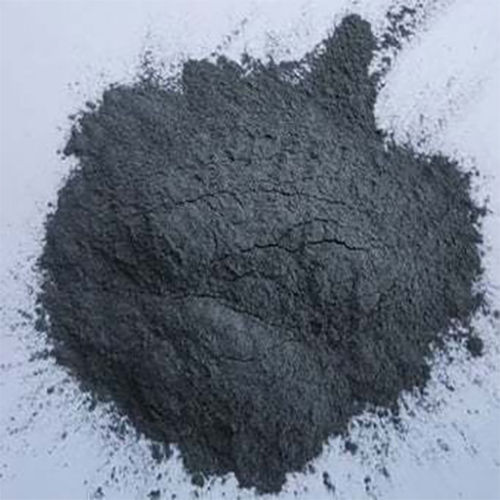
Aluzinc Z32
Solubility : Insoluble in water
Smell : Other, Odorless
Poisonous : NO
Physical Form : Other, Solid Sheet
Appearance : Metallic, Silver glossy finish
Application : Other , Roofing, cladding, prepainted steel manufacturing, appliance bodies, automotive parts, construction, industrial panels
Anoseal 50 LT
Solubility : Miscible in water
Smell : Other, Odorless
Poisonous : NO
Physical Form : Liquid
Appearance : Clear transparent liquid
Application : Other , Sealing of anodized aluminum surfaces in industrial finishing lines

 Send Inquiry
Our Products
- Electroplating Chemical
- Phosphating Chemical
- Anodizing Chemical
- Refractory Chemical
- Powder Coating Services
- E-COATING
- Tin plating chemical
- Chrome Plating chemical
- Alkaline Zinc Plating chemical
- Acid Zinc Plating
- Acid Zinc Plating Chemicals
- Home Hygiene Products
- Basic Chemical
- Salt
- Aluminium Anodising
- Passivation Chemical
- Cleaner
- Chemical Products
- WHITE BRONZE PLATING CHEMICALS
- COPPER PLATING CHEMICALS
- Phosphating chemical


S.K. Industrial Plaza, Industrial Plaza, Sankharipota Main Road, Hanspukur,Kolkata - 700063, West Bengal, India

 Send Inquiry
 Send SMS
Developed and Managed by Infocom Network Private Limited.
